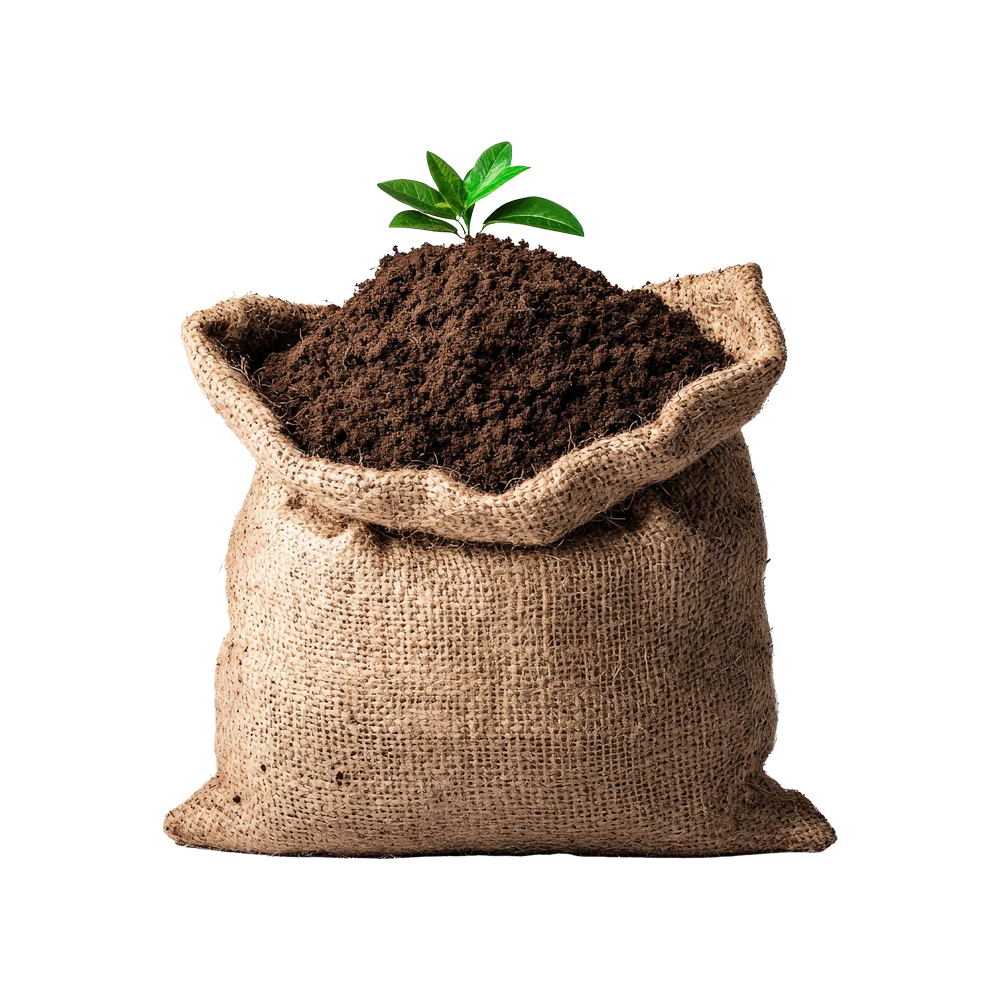


Fertilizer

Chicken manure
Poultry manure produced by Simorgh Company, the largest egg‑production chain in the country, is one of the company’s by‑products.
This material is rich in organic and nutrient elements that help improve soil quality and increase the productivity of agricultural crops. Through specialized processes and strict quality control, Simorgh ensures that this product is free from any pathogens and completely safe for agricultural use.
In addition to meeting domestic demand, the company also supplies its poultry manure to international markets, playing a significant role in supporting agricultural‑product exports. High quality, competitive pricing, and compliance with international standards make Simorgh’s poultry manure an ideal choice for farmers both inside and outside the country.
Types of chicken manure
Poultry waste consists of two main types: cage (or manure‑belt) droppings and litter manure, each of which may be produced in dry or wet form.
Cage or manure‑belt droppings:
This material is typically collected in cage‑based production systems where the manure falls directly onto belts beneath the cages and is then removed. Dry cage manure usually loses its moisture quickly through rapid‑drying methods such as ventilation or heated channels in the farms. Moisture levels in these systems typically drop to about 10 to 20 percent.
Wet cage manure, however, forms when ventilation is inadequate or when accumulation occurs, resulting in higher moisture levels that may cause environmental and sanitary issues.
Litter manure:
In non‑cage farms, part of the manure falls onto bedding made of straw or wood shavings. Dry litter manure is usually produced through frequent bedding replacement and adequate ventilation. However, if bedding moisture exceeds 30 percent, hard layers or sludge may form, negatively affecting bird health and reducing environmental quality.
Wet litter manure typically occurs in environments with poor ventilation and high humidity and requires careful management.
Both types are rich sources of nitrogen, phosphorus, and potassium and can be used effectively in agriculture. However, careful control of moisture and overall manure quality is essential to prevent environmental and health problems.